Why Ancient Chinese Wisdom Warns Against a Life That’s Too Full

In modern life, “more” is often seen as better.
More success,money,achievements and experiences.
But in ancient Chinese philosophy, there is a very different idea:
A life that is too full is not necessarily a lucky one.
True prosperity is not about maximum fullness.
It is about balance, flow, and space.
This idea is deeply rooted in ancient Chinese wisdom, especially in concepts from feng shui and the I Ching (Book of Changes).
The Concept of “Almost Full” in Chinese Wisdom
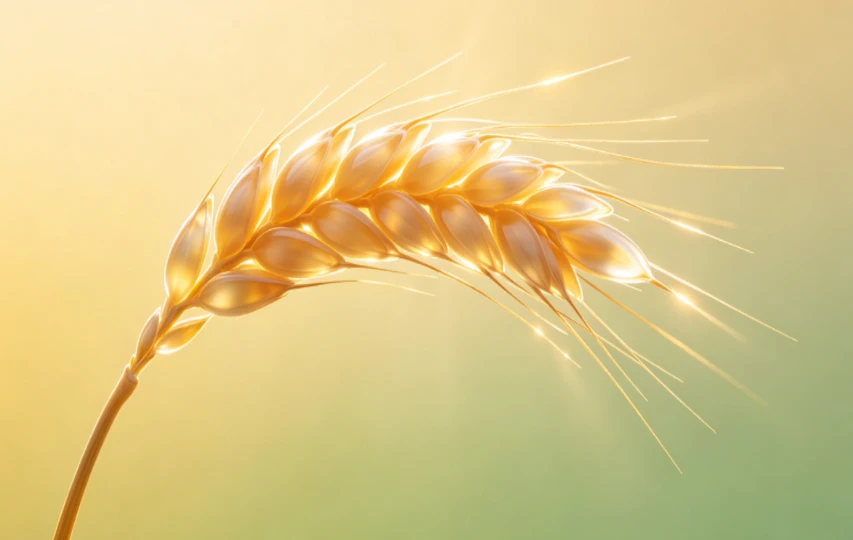
In the traditional Chinese solar calendar, there is a seasonal term called Xiao Man (小满), often translated as “Lesser Fullness” or “Small Fullness.”
It refers to a very specific moment in nature:
- Grain is filling, but not fully ripe
- Rain is abundant, but not overflowing
- Energy is strong, but still balanced
What’s interesting is this:
After Xiao Man, there is no “Da Man” (Full Completion)
This is intentional.
It reflects a deeper principle in Chinese thought:
Nature does not value absolute fullness. It values sustainable balance.
This is also closely connected to feng shui energy flow, where space and emptiness are just as important as presence.
Why “Too Full” Becomes a Problem
In feng shui philosophy, energy (Qi) needs space to move.
When something becomes overly full, energy stagnates.
This is described in classical wisdom as:
- “When water is full, it overflows”
- “When the moon is full, it begins to wane”
The same principle applies to life.
A life that is too full often leads to:
- Emotional exhaustion
- Mental overload
- Lack of clarity
- Constant pressure without recovery
From an energetic perspective, this is not abundance—it is congestion.
What looks like success on the outside can feel like depletion on the inside.
The I Ching Principle: “Extreme Strength Leads to Reversal”
One of the most well-known teachings from the I Ching (Book of Changes) appears in the final stage of the Qian Hexagram (☰):
“Arrogant dragon will have regrets.”
In simple terms:
When something reaches its extreme peak, it begins to reverse.
The dragon that flies too high eventually faces imbalance.
This is not a warning against ambition.
It is a reminder that:
Excess—no matter how good it looks—creates instability over time.
This principle is echoed throughout Chinese philosophy:
- Too much success can lead to burnout
- Too much control can create resistance
- Too much fullness can block future growth
Why “Space” Is Considered Lucky in Feng Shui
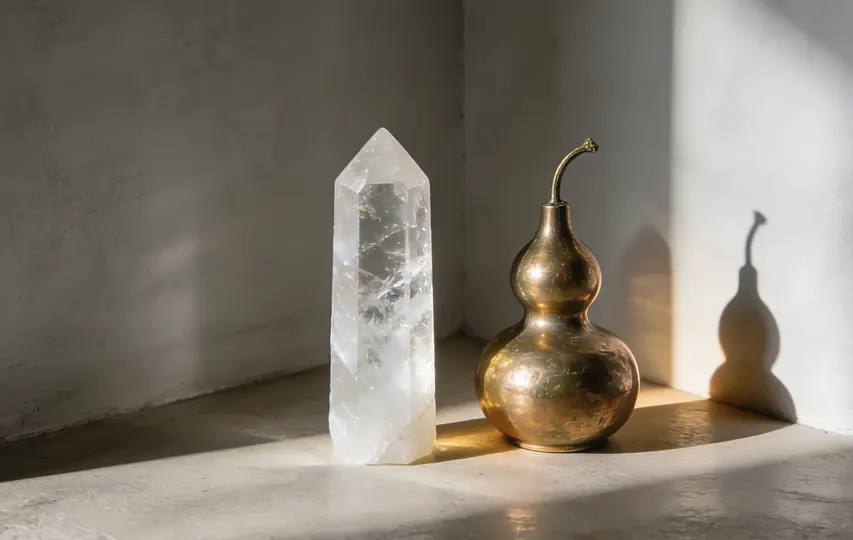
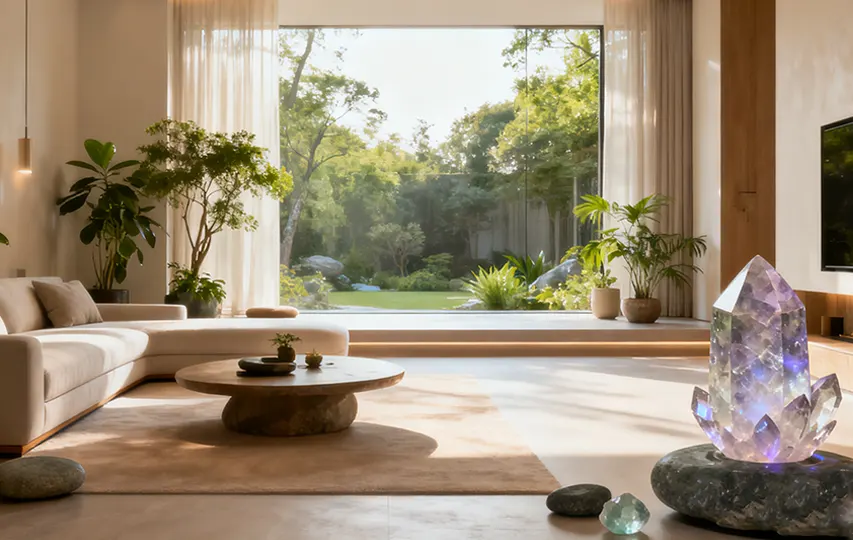
In feng shui, empty space is not emptiness—it is potential.
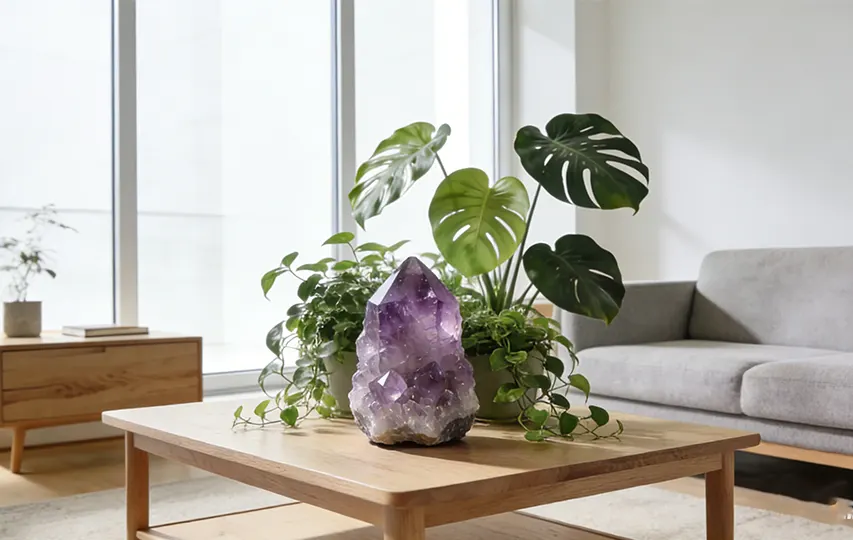
A home that is overly filled with objects feels heavy.
A schedule that is overly packed feels draining.
A mind that is overly stimulated loses clarity.
Good feng shui is not about adding more.
It is about allowing Qi (energy) to circulate freely.
This is why traditional wisdom values:
- Open space in a home
- Gaps in a schedule
- Emotional breathing room in relationships
Space is what allows energy—and luck—to enter.
Why Modern People Feel Burned Out
Many people today are living in a constant state of “fullness”:
- Fully booked calendars
- Constant productivity pressure
- Endless self-improvement goals
- Emotional overstimulation
On the surface, this looks like ambition.
But energetically, it often creates:
A life with no recovery space
This is why so many people feel:
- Busy but not fulfilled
- Successful but exhausted
- Connected but mentally scattered
From an ancient Chinese wisdom perspective, this is not a failure of effort.
It is a lack of balance.
The Real Meaning of “Good Luck”
In Western thinking, luck is often seen as something you chase.
But in feng shui and Chinese metaphysics, luck is more subtle:
Good fortune flows into spaces that are not already full.
This is why balance is so important.
A person who is constantly overflowing with activity has no room for new opportunities to enter.
But a person who maintains space—mentally, emotionally, and physically—naturally attracts flow.
Practical Feng Shui-Inspired Life Principles
You don’t need to change everything.
Start with small shifts:
1. Don’t fill every moment
Leave gaps in your schedule.
Empty time is not wasted time—it is recovery space.
2. Stop chasing perfection
Done is better than perfect.
Perfection often blocks momentum.
3. Create mental space
Reduce unnecessary input.
Clarity comes from simplicity, not overload.
Final Thoughts
Ancient Chinese wisdom doesn’t reject success.
It simply questions excess.
The idea behind Xiao Man (Lesser Fullness) and the warning of “Arrogant dragon will have regrets” both point to the same truth:
A life that is slightly unfinished often lasts longer, flows better, and feels lighter.
Not everything needs to be complete, to be maximized, and to be full.
Sometimes, what brings the most stability—and even luck—is what is intentionally left open.
Because in the end:
Space is not absence. It is where life begins again.

Get to Know Your Five Elements for Free
Get to Know More about Feng Shui