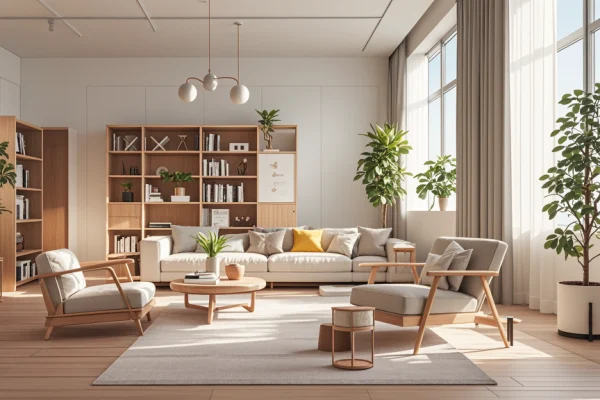
Meaningful & Harmonious Energy Field

Boosting Home Feng Shui

Did you know that using Feng Shui in your home can level up your well-being and bring positive vibes into your life? By getting the hang of Feng Shui principles, you can set up a harmonious space that boosts different aspects of your life, from relationships to finances. Making simple tweaks to your surroundings based on Feng Shui can lead to a more balanced and prosperous lifestyle.

Feng shui, an ancient Chinese practice, goes beyond mere interior design. It’s an art that harmonizes our living spaces with the natural world, aiming to enhance well-being, prosperity, and balance. At its core lies the concept of Qi (pronounced “chee”), the life force energy that flows through everything.

Whether you're aiming to improve your health, attract love, or increase your abundance, Feng Shui has got practical hacks that everyone can benefit from.

Feng Shui
Optimized Feng Shui

Welcome to our feng shui journey! In this blog, we’ll explore the ancient art of arranging spaces to enhance well-being, balance energies, and invite prosperity. Whether you’re a seasoned practitioner or a curious beginner, this space is for you.

Discover the secrets of the bagua map, learn how to balance yin and yang, and tap into the five elements. Let’s create harmonious environments that resonate with positive energy.

Aura Elemental

Make Qi flow freely in your house

Feng Shui Essentials to Activate Energy Field

Activating Energy Field

  1. Clear Clutter: Decluttering allows Qi to flow freely.
  2. Enhance Areas: Decorate each section according to its theme. For example, add plants in the Health area or symbols of love in the Relationship corner.
  3. Five Elements Power-Up: Strategically place wood, fire, earth, metal, and water to bring good vibes to different parts of your life.
  4. Balance Yin and Yang: Integrate soft (yin) and vibrant (yang) elements for equilibrium.
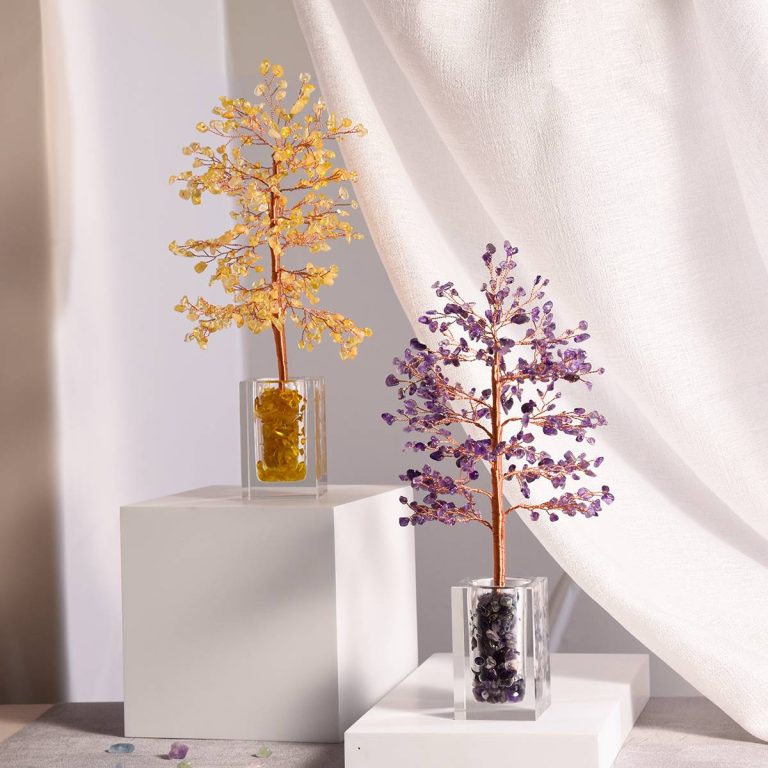
  5. Use Crystals and Mirrors: These amplify energy and redirect it positively.
  6. Intention Matters: Set clear intentions for each space.

Remember, Feng Shui isn’t just about furniture placement; it’s about intention, energy, and mindful design. By aligning our spaces with the Bagua, we create a harmonious energy field that supports our goals and well-being.

The Components of Home Feng Shui

Feng Shui revolves around several key elements that shape its philosophy and practice:

  • Qi (Chee): The essential life force energy that flows through your space.
  • The Five Elements: Wood, fire, earth, metal, and water; each bringing unique energies to your environment.
  • The Bagua Map: A tool that maps out different areas of your life onto your living space.
  • Yin and Yang: The balance of opposing forces to create harmony.
  • Commanding Position: The optimal placement of key furniture pieces, especially your bed, to maximize positive energy flow.
Get to Know

The Key Feng Shui Elements

Qi (Chee):
    • Qi is the life force energy that flows through all living things. Qi is a ubiquitous and crucial concept in feng shui. There are various types of Qi: vital Qi, stagnant Qi, yang Qi, yin Qi, earth Qi, terrestrial Qi, flowing Qi, gathered Qi, absorbed Qi, Qi meridians, and source Qi, among others. Qi is considered the origin of all things, constantly changing and transforming. It is believed to determine a person's fortune and misfortune. While it's a complex concept and system, you can simplify your understanding of qi by thinking of it as the changes and shifts in energy fields formed by the flow of different types of energy. This approach makes it easier to grasp.

      Qi is crucial for determining the energy levels within a space. When Qi gets stagnant or blocked, it can cause feelings of lethargy and negativity. To boost Qi flow, try decluttering, using mirrors to reflect light, and adding plants to purify the air.

      To balance Qi in different environments, consider using Feng Shui cures like water features for tranquility, bright colors to energize the space, and soothing sounds for relaxation.

The Bagua Map

The Bagua, an octagonal energy map, serves as our guide. Imagine overlaying this map onto your home or office layout. Each section corresponds to a specific aspect of life, symbolized by trigrams. Here’s a glimpse:

  1. Career (Kan): Found in the north, it influences your professional path and life purpose.
  2. Wealth (Xun): Found in the southeast, it relates to abundance, prosperity, and financial flow.
  3. Health (Zhen): The east area represents vitality, family health, and growth.
  4. Love and Relationships (Kun): Southwest embodies love, partnerships, and nurturing bonds.
  5. Creativity (Dui): West fosters creativity, children, and joy.
  6. Fame and Reputation (Li): South signifies recognition, reputation, and self-expression.
  7. Knowledge (Gen): Northeast connects to wisdom, learning, and self-improvement.
  8. Helpful People (Qian): The northwest corner invites mentors, support, and guidance.

By aligning the Bagua Map with your home's layout, you can identify areas that may require enhancement or adjustment to improve specific aspects of your life. For instance, placing color, elements, symbols or decor items related to prosperity in the wealth area can attract abundance into your life.

The Commanding Position:

The Commanding Position in Feng Shui refers to the optimal placement of furniture to maximize Chi flow within a room. This involves arranging furniture so that you have a clear view of the entrance while sitting or sleeping, enhancing feelings of security and control. This positioning allows you to welcome positive opportunities into your life while minimizing obstacles.

Here’s how to identify and apply Commanding Positions:

  • Key Pieces: Place beds, desks, and major seating areas where they have a commanding view of the door without being directly in line with it.
  • Pathways: Ensure that pathways remain clear and natural light is not obstructed.
  • Avoid Sharp Corners: Position furniture to avoid sharp corners pointing at seating areas or beds directly facing doors, as these can create negative energy.

By following these guidelines for furniture arrangement based on Feng Shui principles, you can ensure a harmonious flow of energy throughout your space.

The Five Elements:

In Feng Shui, the Five Elements—wood, fire, earth, metal, and water—each represent different aspects of nature and have unique characteristics:

    • "Wood: Symbolizes growth and vitality. Associated with green hues and columnar or straight shapes.

    • Fire: Represents passion and transformation. Linked to red tones and pointed shapes.

    • Earth: Embodies stability and nourishment. Characterized by earthy colors and square shapes.

    • Metal: Signifies clarity and focus. Connected to white and gray tones, as well as circular forms.

    • Water: Symbolizes adaptability and flow. Associated with blue hues and wavy shapes.

The interactions of the Five Elements are essential in Feng Shui, as they influence each other's strengths and weaknesses. Understanding these interactions helps create a balanced environment that promotes harmony.

Yin & Yang in Feng Shui:

Yin and Yang form a core theory in Feng Shui. In this philosophy, all things in the world are considered products of Yin and Yang. There's a saying that 'Yin alone cannot grow, and Yang alone cannot give birth.' This concept is so fundamental that Feng Shui masters are often called 'Masters of Yin and Yang,' and books on Feng Shui are referred to as 'Yin-Yang Books.'

Yin and Yang are central to Feng Shui, representing the balance of energies in a space. Yin is associated with qualities like darkness, stillness, and femininity, while Yang is linked to light, activity, and masculinity. The goal is to achieve harmony between these two opposing forces to create a balanced environment.

Understanding Yin and Yang allows you to make informed decisions when arranging furniture, selecting colors, and enhancing the flow of energy in a space. Here are some tips:

  • Yin Elements: Incorporate soft lighting, muted colors, and cozy furnishings to promote calm and relaxation.
  • Yang Elements: Use bright lights, vibrant colors, and dynamic shapes to energize and stimulate activity.

Achieving balance in design is key to effective Feng Shui practices. Ensuring a harmonious mix of Yin and Yang elements promotes well-being and positivity in the home or workplace.

What we can do with the help of Feng Shui knowledge:

This concept is often applied to the placement of:

  • The bed in a bedroom
  • The desk in an office
  • The stove in a kitchen
  • The sofa in a living room
  • The deco itmes in the house
Tips for

Optimizing Your Home's Feng Shui

Home Feng Shui Tips
  • Declutter: Start by clearing out clutter to let positive energy flow freely.
  • Furniture Arrangement: Position furniture to create a balanced and harmonious space. Ensure clear pathways and strategic placement of mirrors to enhance light and space.
  • Welcoming Entrance: Keep the front entrance clutter-free and inviting. This sets the tone for positive energy entering your home.
  • Colors and Plants: Use calming colors to promote relaxation and tranquility. Add plants for freshness and vitality, enhancing the overall energy.
Enhancing Couple Bonds
  • Pairing Furniture: Arrange furniture in pairs to encourage connection and communication.
  • Happy Memories: Display artwork or photos that evoke joy and happy memories to create a supportive environment.
  • Feng Shui Cures: Use crystals or candles to foster love and intimacy.
  • Bedroom Tips: Place pairs of objects in the bedroom to symbolize partnership and unity. Ensure clear pathways for Chi flow to enhance communication and strengthen bonds.
Attracting Wealth
  • Wealth Corners: Activate wealth corners with symbols of abundance like a money plant or a wealth bowl.
  • Feng Shui Symbols: Use items such as coins or wealth vases to attract financial success.
  • Productive Workspace: Arrange your workspace to promote productivity and abundance through proper lighting and organization.
  • Elemental Balance: Incorporate wood, water, metal, earth, and fire elements in your decor to stimulate wealth energy.
  • Clutter-Free Wealth Areas: Keep these areas free of clutter to allow prosperity energy to circulate freely.
Boosting Well-being
  • Healing Environment: Use soothing colors like blues and greens to create a relaxing and healing atmosphere.
  • Good Air Quality: Ensure proper ventilation and plenty of natural light to improve air quality and overall health.
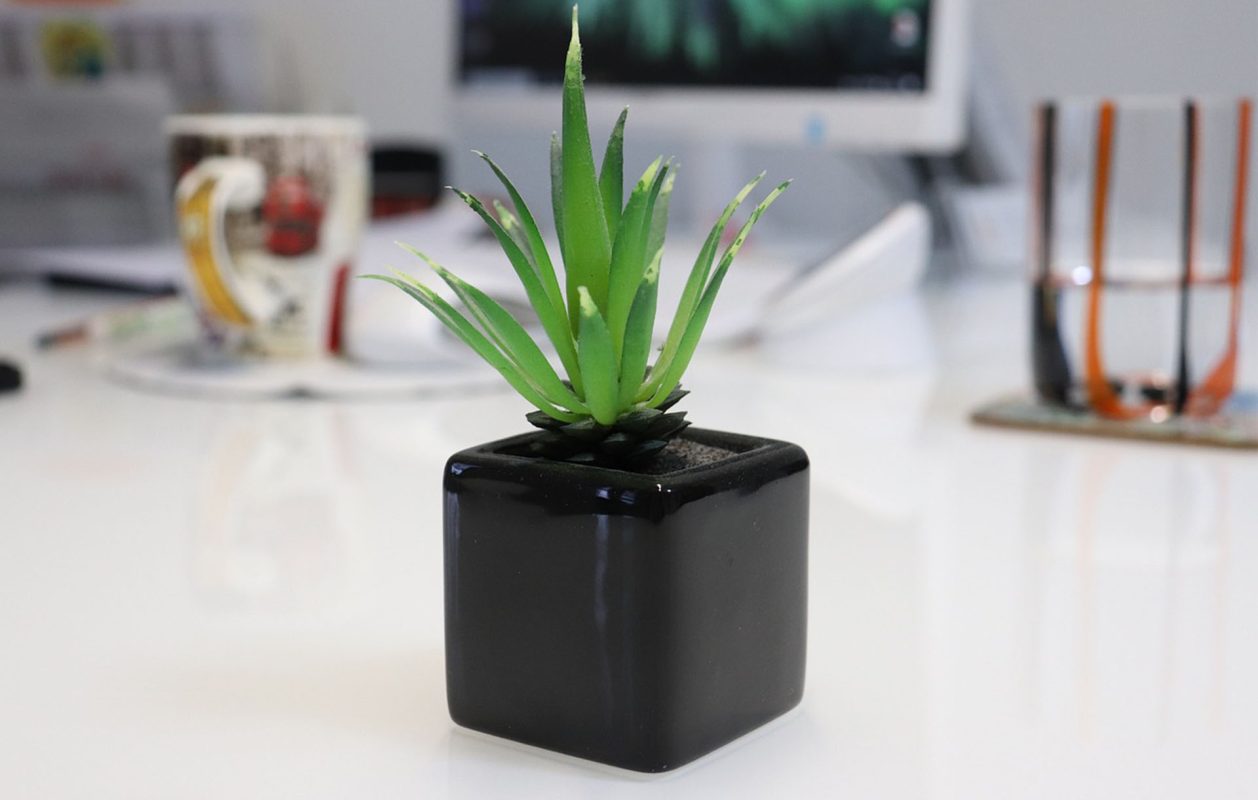
  • Indoor Plants: Add indoor plants to purify the air and uplift spirits.
  • Calming Scents: Use essential oils or candles with calming scents to promote relaxation and reduce stress levels.
Optimized Feng Shui
For Harmony and Well-being, you should:

Ultimate Feng Shui Guide: Room-by-Room Rules

This guide provides essential Feng Shui rules for each room in your home, helping you create a harmonious living space that promotes health, positivity, and overall well-being.

Bedroom Feng Shui 

  • Optimal Bed Placement: Position the bed in a commanding spot facing the door but not directly in line with it. Avoid placing the head under a window.
  • Minimize Electronics: Minimize electronics for better relaxation and avoid disrupting the flow of Qi.
  • Soothing Colors: Use calming colors like soft blues, greens, and earth tones to enhance tranquility.
  • Clear Under the Bed: Keep under-bed area clear for energy circulation.

Living Room Feng Shui 

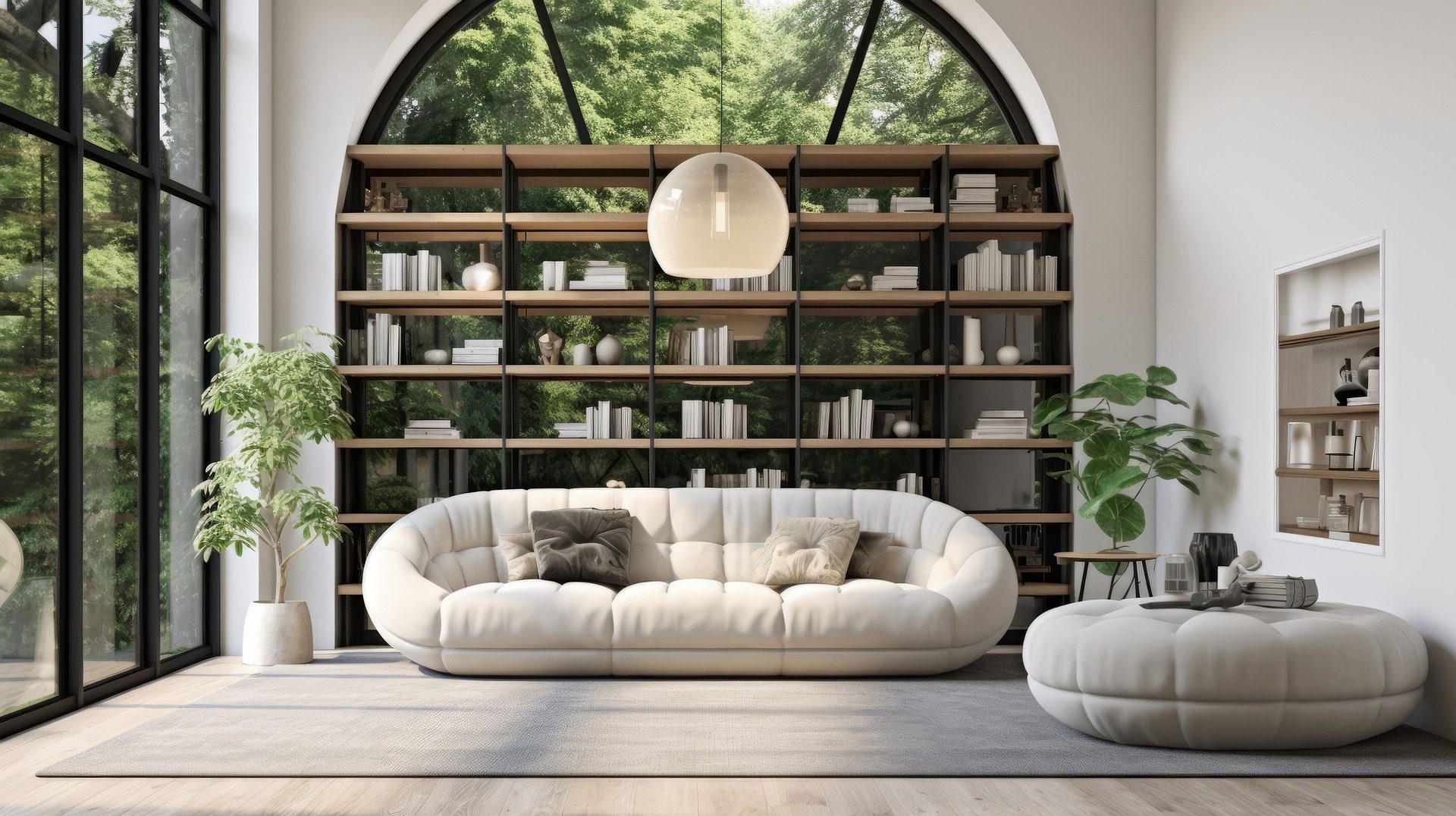
  • Seat : Circular seating arrangement for smooth energy flow and energy.
  • Balance Elements: Incorporate all five elements to balance the energy. Use items like a metal coffee table (Metal), red pillows (Fire), wooden furniture (Wood), a water feature (Water), and clay pots (Earth).
  • Good Lighting: Mix natural and artificial lighting
  • Clean Windows: Keep windows clean and clear to maintain a bright aura.

Kitchen Feng Shui 

  • Stove placement: Keep the stove clean and functional as it represents wealth and health. Place it where you can see the doorway while cooking.
  • Earth Colors: Use colors that represent the Earth element, like yellows and browns.
  • Separate Stove and Sink: Avoid placing the stove (fire) and sink (water) directly next to each other.
  • Store Knives Out of Sight: Keep knives stored away to reduce feelings of aggression and conflict.

Bathroom Feng Shui

  • Door and Toilet Lid: Keep the bathroom door closed and the toilet lid down to prevent Qi from escaping.
  • Calming Colors: Use pastels to create a restful, spiritual aura.
  • Plants: Add humidity-loving plants to help control the water element.
  • Ventilation and Lighting: Ensure good ventilation and lighting to keep the energy fresh and vibrant.

Front Door and Entrance Feng Shui

  • Visibility: The front door should be clearly visible and accessible from the street to invite Qi smoothly into the home.
  • Welcoming Mat: Use a welcoming mat and keep area clutter-free
  • Door Color: Choose a color according to the Bagua map to enhance the specific energy.
  • Mirror Placement: Use mirrors to expand the space visually but avoid placing them directly in front of the door, as they can push energy back out.
  • Inviting Elements: Incorporate elements that draw energy inward, such as attractive art or a curved pathway leading to the door.

Stairs Feng Shui

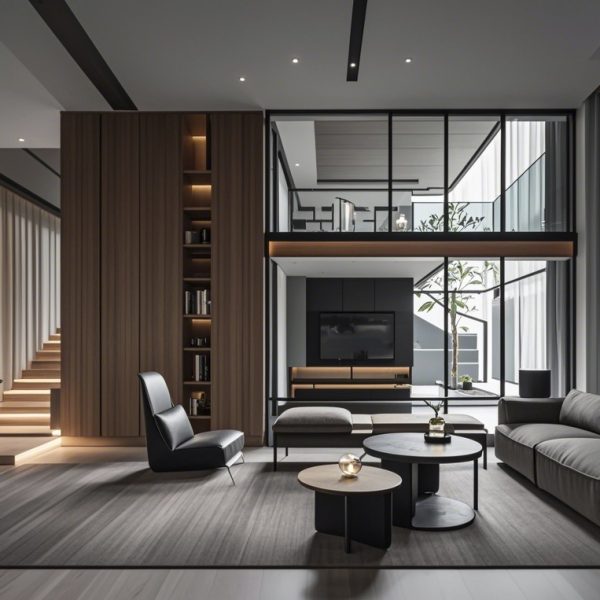
  • Stair Placement: Avoid stairs facing front door directlyto prevent Qi from rushing up quickly and destabilizing the energy field.
  • Lighting: Use lighting along staircases to ensure safety and promote the flow of energy.
  • Stairs Style: Prefer straight stairs over spiral, avoiding creating a disruptive flow of Qi.

Mirror Feng Shui 

  • Mirror Direction: Avoid mirrors facing the bed as they can bounce energy around the room, disturbing rest.
  • Reflect Abundance: Use mirrors to double the abundance of what they reflect, such as placing them to reflect a dining area to symbolize wealth.
  • No Distorted Mirrors: Avoid broken or distorted mirrors that can scatter energy negatively.


Conclusion:

Conclusion:

This comprehensive Feng Shui guide by Aura Elemental provides a solid foundation for creating harmony and balance in your living spaces. By following these room-by-room rules, you can enhance the flow of positive energy throughout your home, potentially improving various aspects of your life from health and relationships to prosperity and well-being.

However, it's important to note that these are general Feng Shui principles. For optimal results, consider connecting these guidelines with your personal BaZi, also known as Four Pillars of Destiny. BaZi is an ancient Chinese astrological concept that takes into account your birth date and time to determine your individual energy profile.

By combining these universal Feng Shui rules with a personalized BaZi analysis, you can create a truly customized Feng Shui design for your living space. This tailored approach allows you to leverage the maximum power of Feng Shui, aligning your environment not just with general principles, but with your unique energetic needs and life path.

Remember, Feng Shui is both an art and a science. While these guidelines provide an excellent starting point, consulting with a professional Feng Shui practitioner who can incorporate your BaZi into the design can help you achieve the most harmonious and beneficial living environment possible.

0 0 votes
Article Rating
Subscribe
Notify of
guest
0 Comments
Oldest
Newest Most Voted
Inline Feedbacks
View all comments