
Boosting Personal Feng Shui
What is Personal Feng Shui?
Personal Feng Shui is a fascinating and powerful approach to achieving balance and harmony in our lives. It takes the age-old principles of traditional Feng Shui and brings them closer to home—our own bodies and personal energy fields. Personal Feng Shui enhances and balances energy within and around the human body which helps us focusing on achieving harmony within oneself.
Personal Feng Shui considers not just the physical aspects of our surroundings but also our emotional and spiritual states. By paying attention to the clothes we wear, the colors we surround ourselves with, and the overall energy of our environment, we can create a space that supports our health and happiness.
NOT FAR FROM US
Moreover, Personal Feng Shui is accessible to everyone. You don't need to be an expert to start making small, impactful changes. Simple adjustments, like choosing colors that boost your mood or decluttering your living space, can have a profound effect on your overall energy and outlook on life.
In my view, Personal Feng Shui is about creating an environment that nurtures our soul and supports our journey toward greater health, vitality, and fulfillment. It's a valuable tool for anyone seeking to bring more harmony and balance into their life.

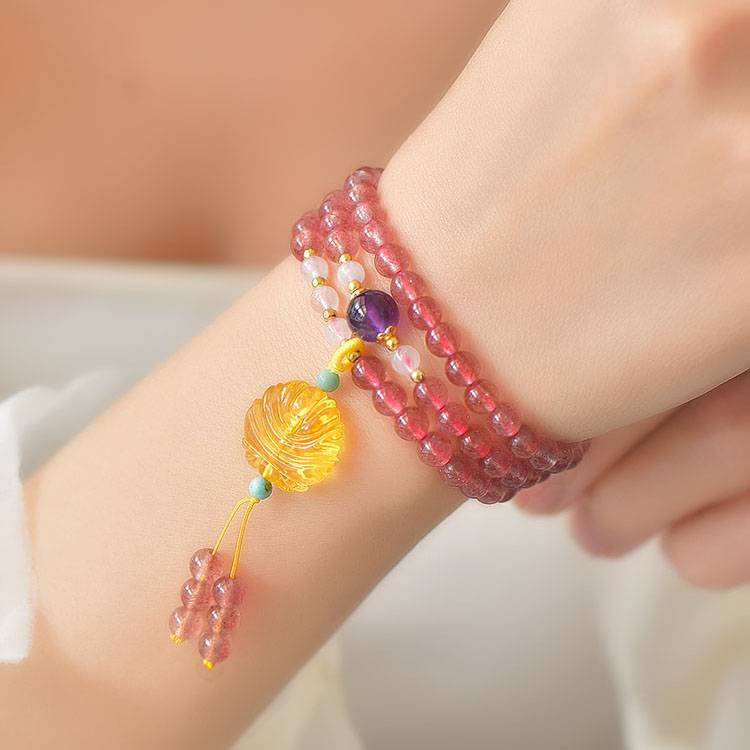
Welcome to Aura Elemental's blog on Personal Feng Shui! In today's busy world, finding inner harmony can be a challenge. Personal Feng Shui offers a practical way to balance your energy and enhance well-being.
This blog will guide you through the core concepts of Personal Feng Shui. You'll learn how to align your personal energy with your surroundings to improve health, vitality, and happiness. Whether you're new to Feng Shui or looking to deepen your knowledge, you'll find valuable tips and insights here.
Join me on this journey to discover how Personal Feng Shui can transform your life and help you achieve a balanced and vibrant lifestyle.
Aura Elemental
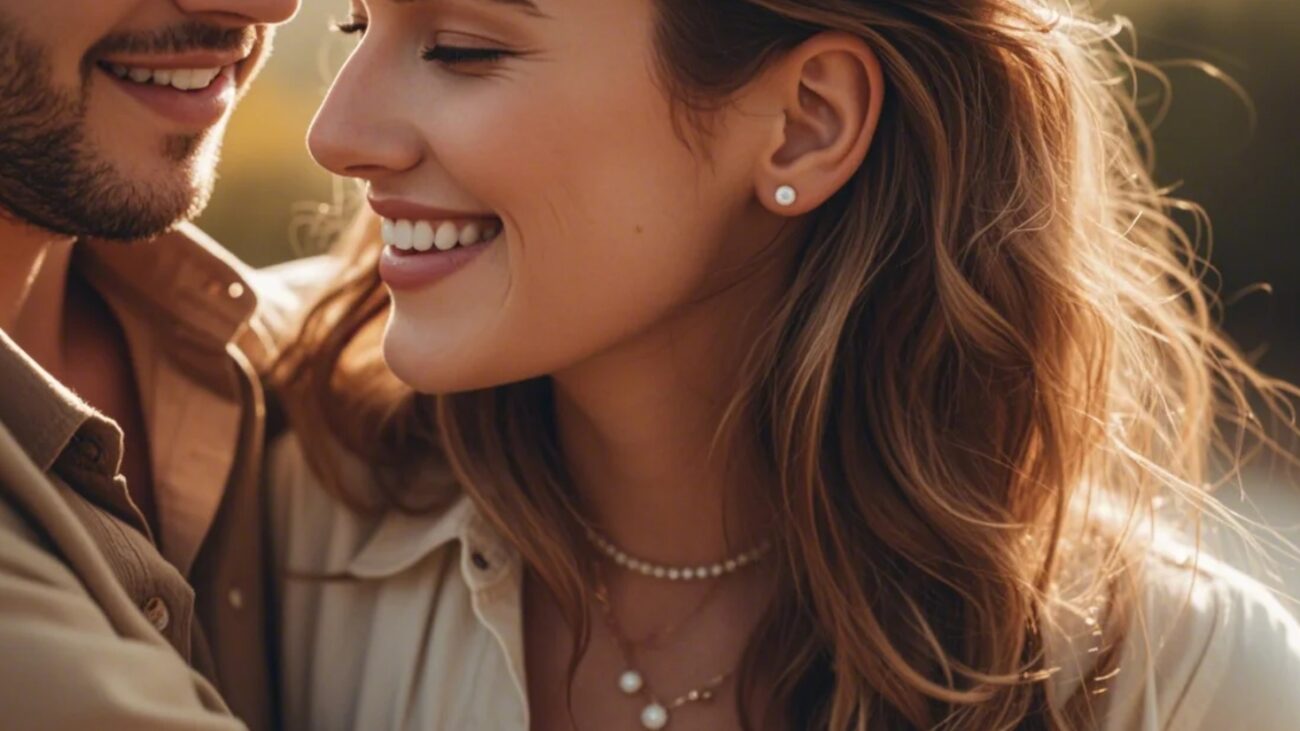
Concept of Personal Feng Shui
Personal Feng Shui is rooted in the idea that each individual has a unique energy field that interacts continuously with the energies of their environment. This practice applies the traditional principles of Feng Shui, which optimize the flow of Qi (Chee-life force) in spaces, to the human body and personal energy. The goal is to achieve harmony and balance within oneself by aligning personal energy with the surrounding environment.
The core concept of Personal Feng Shui revolves around the understanding that our personal energy field is influenced by various factors, including our physical health, emotional state, and even the clothes and accessories we wear. Our personal energy field is essentially an extension of our inner self, reflecting our vitality, mood, and overall well-being. When this energy field is balanced and harmonious, we feel more vibrant, healthy, and at peace.
Personal Feng Shui helps us become more aware of our personal energy and how it interacts with our environment. By tuning into this energy, we can make mindful adjustments to enhance our overall well-being. For instance, the colors we choose to wear or surround ourselves with can have a profound impact on our mood and energy levels. Wearing colors that resonate with us can uplift our spirits and promote a sense of harmony.
Home & Personal Feng Shui
Similarly, the arrangement and condition of our living spaces can affect our personal energy field. A cluttered and disorganized space can lead to stagnant energy, making us feel sluggish or stressed. On the other hand, a clean and well-organized environment can promote a positive energy flow, enhancing our vitality and emotional balance.
Incorporating elements of Personal Feng Shui into our daily lives involves small, intentional changes that align our personal energy with our environment. This could include choosing accessories that make us feel empowered, creating a living space that feels peaceful and inviting, or engaging in practices like meditation and mindfulness to maintain a balanced energy flow.
By understanding and applying the concepts of Personal Feng Shui, we can create a harmonious connection between our inner selves and the world around us. This alignment fosters improved health, increased vitality, and a greater sense of well-being, helping us navigate our lives with more positivity and balance.
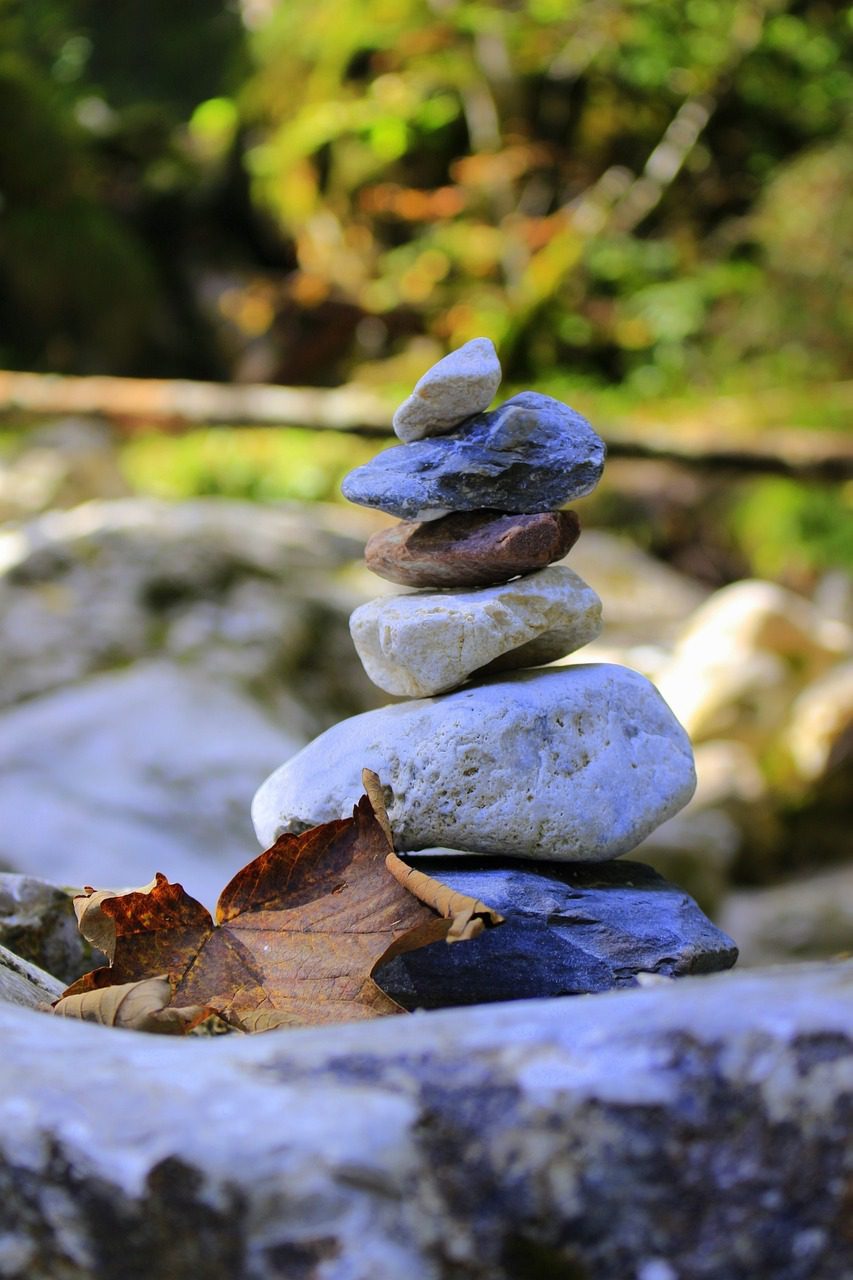
Is Feng Shui Real?
The question of whether Feng Shui is real often hinges on how we understand its principles and effects. To address this, it’s useful to view Feng Shui through the lens of environmental psychology, a field that explores how our surroundings impact our well-being.
Feng Shui as Environmental Psychology
Feng Shui can be viewed as an early form of environmental psychology. Both disciplines focus on the relationship between individuals and their environments, aiming to enhance well-being and harmony. Feng Shui aims to optimize the flow of energy, or Chi, in a space to promote health, happiness, and productivity, much like how environmental psychology seeks to design spaces that positively influence our emotions and behavior.
Impact on Well-Being
Environmental psychology research demonstrates that the design and layout of our surroundings can significantly affect our mood, stress levels, and overall health. For example, cluttered or poorly arranged spaces can increase stress and reduce comfort. Feng Shui addresses these issues by recommending specific arrangements and design principles to improve the flow of energy. This alignment is similar to how environmental psychology emphasizes creating environments that support mental and emotional well-being.
Changing the Energy Field
One of the key goals of Feng Shui is to alter the energy field surrounding individuals. By strategically arranging objects and spaces, Feng Shui practitioners aim to harmonize the Chi flow, thereby influencing the personal energy field of those within the space. This can be seen as an attempt to create a more balanced and supportive environment, enhancing overall well-being.
Cultural and Historical Context
Feng Shui, with its roots in Chinese culture, has a history that spans thousands of years. It has guided the design of homes, cities, and workplaces across East Asia. Its principles have been integrated into various aspects of architecture and design. This historical depth adds to its credibility, as it reflects a long tradition of observing how spatial arrangements affect human experience.
Subjective Experience and Personal Belief
The effectiveness of Feng Shui, much like findings in environmental psychology, can vary based on personal perception and belief. While some people report significant improvements in mood, productivity, and overall well-being, others may not experience the same effects. Personal openness to Feng Shui practices and belief in their principles play a critical role in determining their impact. Environmental psychology similarly acknowledges that individual responses to environmental changes can differ widely.
Conclusion
Feng Shui’s principles align closely with environmental psychology, focusing on how spatial arrangements and design influence our personal energy and well-being. Its practices aim to optimize the flow of Qi, or energy, in a way that mirrors the goals of creating supportive and harmonious environments in environmental psychology. Whether through cultural tradition or psychological impact, Feng Shui represents a meaningful approach to enhancing our interactions with our surroundings and improving our overall quality of life.
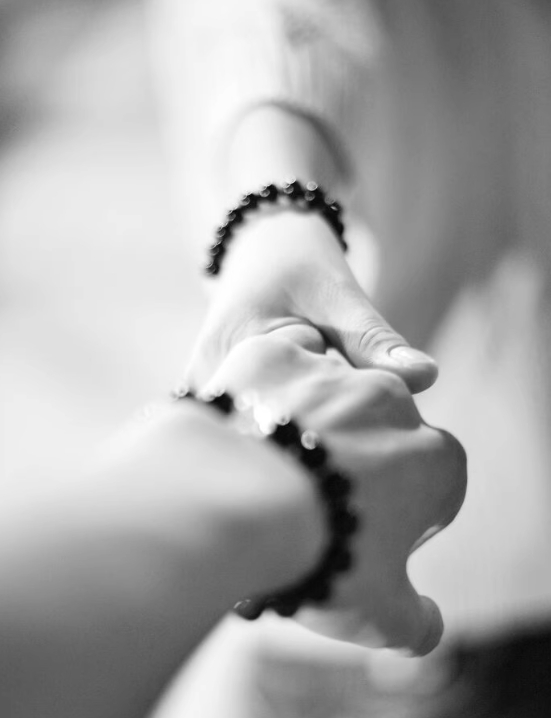
How to Optimize Your Personal Energy
Practical personal Feng Shui tips for better energy flow (Qi)-Personal Feng Shui integrates several techniques to optimize and balance your personal energy field. Here’s a deeper look into some effective practices:
Color
Colors influence our mood and energy in profound ways. By incorporating specific colors into your wardrobe and accessories, you can harness their effects. For example:
- Red: Energizes and stimulates enthusiasm and passion. It can be especially useful in boosting motivation or adding vibrancy to your day.
- Blue: Calms and promotes tranquility. It’s ideal for reducing stress and fostering a peaceful mindset.
- Green: Balances and rejuvenates, promoting a sense of harmony and renewal. It’s perfect for enhancing overall well-being and stability.
Smart Accessory Placement
Just as in traditional Feng Shui, where the placement of objects in a space is carefully considered, the placement of personal accessories can influence your energy. Consider:
- Bagua Map: Align your accessories with areas of the Bagua map that correspond to your goals. For example, placing a symbol of prosperity in the wealth area of your outfit can enhance financial well-being.
- Functional Placement: Ensure that your accessories, such as watches or bracelets, are positioned to facilitate ease of use and comfort, enhancing your daily flow of energy.
Conclusion
By integrating these techniques into your daily life, you can create a more harmonious personal energy field. This approach supports overall well-being, vitality, and a deeper connection to your inner self.
Symbolic Jewelry
Jewelry with specific meanings can serve as powerful tools for personal transformation. For instance:
- Crystals: Different crystals have distinct properties. Amethyst is known for its calming and spiritual benefits, while rose quartz is associated with love and emotional healing.
- Gemstones: Choose gemstones based on their energetic properties. For example, turquoise can enhance communication, and citrine is linked to abundance and positivity.
- Symbols: Wearing symbols like the lotus flower for purity or the infinity symbol for balance can reinforce your personal goals and aspirations.
Boost Energy with Proper Posture
Your physical posture has a direct impact on your energy flow. Adopting mindful postures can:
- Enhance Energy Flow: Just as spatial arrangements in environmental Feng Shui promote energy flow, maintaining an upright, balanced posture helps facilitate the optimal circulation of your personal energy.
- Support Well-Being: Practices such as yoga or tai chi not only improve physical alignment but also promote a balanced energy flow, enhancing both mental and emotional health.
Quick Engage Personal Feng Shui
Elevate Your Energy with Nature Gemstone and Crystal Accessories
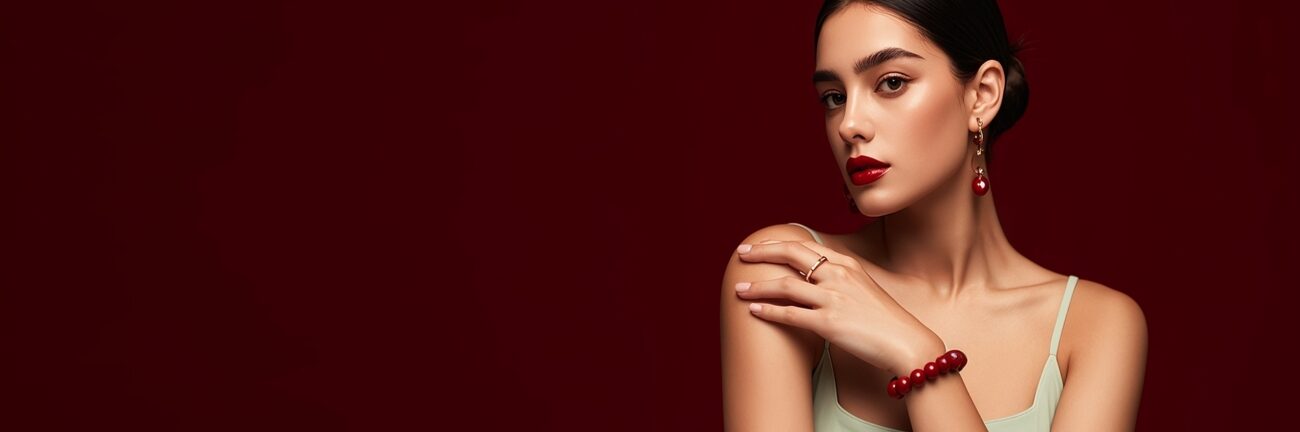
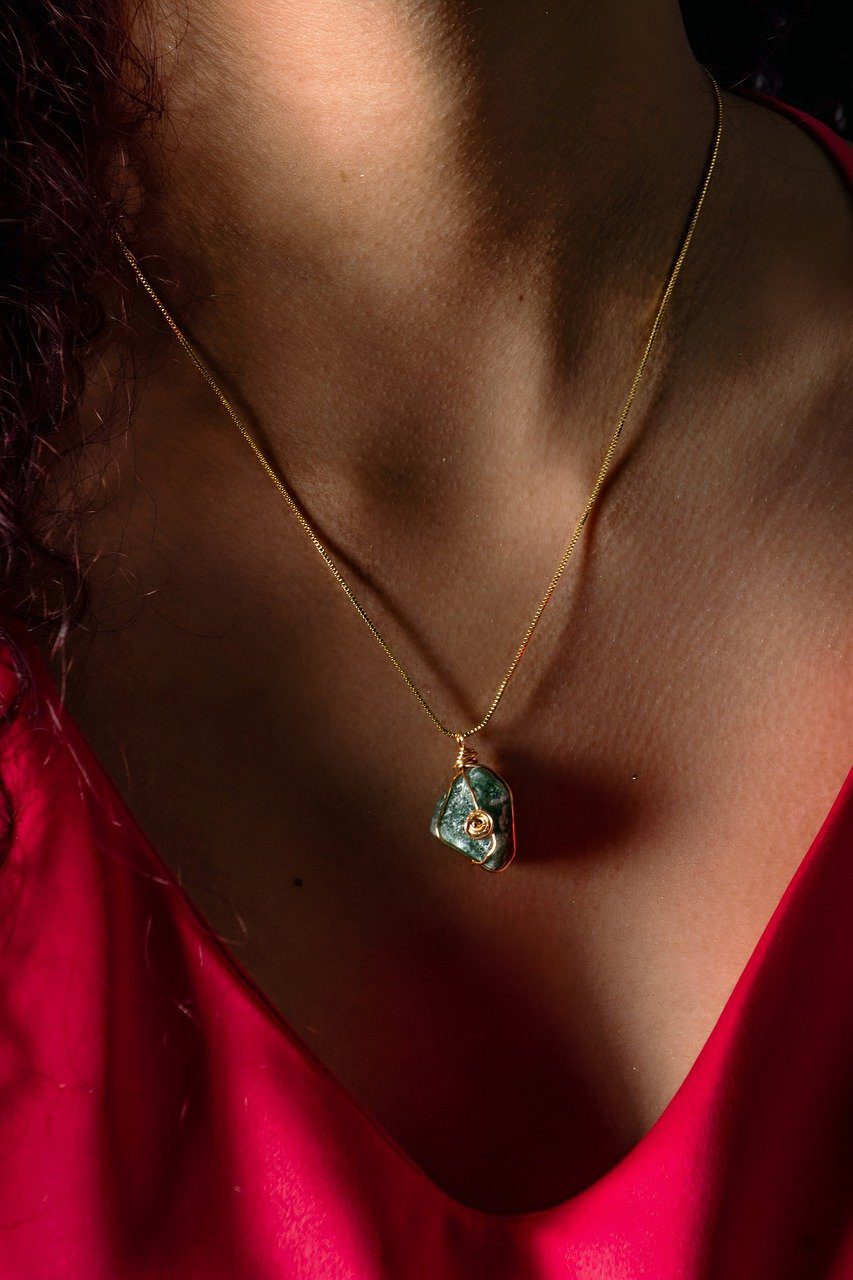
One of the simplest yet most impactful ways to engage with Personal Feng Shui is by incorporating natural gemstones and crystals into your daily routine. Wearing gemstone accessories like bracelets and necklaces can significantly influence your personal energy field, bringing harmony and balance to your life.
Why Choose Gemstones and Crystals?
Gemstones and crystals are believed to carry specific energetic properties that can enhance various aspects of your well-being. Each type of stone resonates with unique frequencies, offering different benefits. Here’s how you can use them to boost your personal Feng Shui:
Amethyst: Known for its calming and spiritual properties, amethyst can help reduce stress and promote inner peace. Wearing an amethyst bracelet or necklace can support mental clarity and emotional balance.
Rose Quartz: Often called the "stone of love," rose quartz is associated with emotional healing and self-love. A rose quartz pendant or bracelet can help attract positive relationships and foster a loving atmosphere.
Citrine: This vibrant yellow crystal is linked to abundance and positivity. Wearing citrine accessories can boost your confidence, attract prosperity, and uplift your mood.
Lapis Lazuli: Known for its deep blue hue and wisdom-enhancing properties, lapis lazuli can aid in effective communication and self-expression. A lapis lazuli necklace can support personal and professional growth.
How to Incorporate Gemstones into Your Routine
Choose What Resonates: Select gemstones that align with your personal needs and goals. Whether you seek calm, love, prosperity, or clarity, there’s a gemstone for you.
Wear with Intention: As you wear gemstone bracelets or necklaces, set a positive intention for their use. Focus on what you hope to achieve or the energy you wish to enhance.
Cleanse and Recharge: Regularly cleanse your gemstones to maintain their positive energy. This can be done by placing them under running water or in sunlight for a few hours.
Embrace the Benefits
Integrating natural gemstones and crystals into your accessories is a straightforward way to engage with Personal Feng Shui. By wearing these beautiful stones, you not only enhance your personal energy but also carry a constant reminder of your intentions and goals. Enjoy the harmonious boost these natural elements can bring to your daily life!
How To Choose Feng Shui Accessories
Harness the Power of Bazi with Feng Shui Accessories
Bazi, or the Four Pillars of Destiny, is an ancient Chinese system used to understand one’s destiny and personal energy. By aligning your Feng Shui accessories with your Bazi chart, you can enhance your Qi (life force energy) and optimize your personal energy field. Here’s a guide to choosing the right accessories and practices to maximize their effectiveness.
1. Understand Your Bazi Elements
Each person’s Bazi chart consists of elements associated with their birth date and time, which influence their energy and personality. The five elements in Bazi are Wood, Fire, Earth, Metal, and Water. To choose the most effective Feng Shui accessories, identify your favorable and unfavorable elements through your Bazi chart.
2. Select Accessories Based on Elemental Needs
Wood Element: If Wood is your favorable element, opt for accessories featuring green gemstones like jade or malachite, which resonate with the Wood element. These stones promote growth and vitality.
Fire Element: For those whose Bazi favors Fire, choose red or orange gemstones such as garnet or carnelian. These colors enhance passion, energy, and motivation.
Earth Element: Earth element individuals should select yellow or brown gemstones like citrine or tiger’s eye. These stones provide stability, grounding, and support.
Metal Element: Silver, white, or metallic gemstones like moonstone or quartz are ideal for those aligned with Metal. They enhance clarity, precision, and efficiency.
Water Element: Blue or black gemstones, such as sapphire or obsidian, are best for Water elements. They support intuition, adaptability, and flow.
3. Consider Blessings and Infusions
Accessories blessed or infused with Reiki or mantras can enhance their effectiveness. Reiki and mantra infusions can charge gemstones with positive energy and intention, amplifying their impact on your energy field. When selecting such accessories, ensure they come from reputable sources and have been properly attuned.
4. Choose Natural Crystals or Gemstones
The material of your Feng Shui accessories plays a crucial role in their effectiveness. Natural crystals and gemstones carry unique intrinsic energies. These natural materials are more potent than synthetic alternatives, providing authentic energetic support.
5. Personalize with Intent
When choosing your Feng Shui accessories, personalize them with your intentions. Hold your gemstone or crystal in your hands and focus on your goals and desires as you wear or carry it. This practice helps align the accessory’s energy with your personal needs.
6. Regular Maintenance and Cleansing
To maintain the effectiveness of your Feng Shui accessories, regularly cleanse and recharge them. Natural gemstones can be purified by placing them under running water or in sunlight. This practice ensures that the stones continue to resonate with positive energy.
Conclusion
Choosing Feng Shui accessories according to your Bazi involves aligning with your elemental needs, selecting high-quality natural gemstones, and considering additional enhancements like Reiki or mantra infusions. By thoughtfully selecting and personalizing your accessories, you can maximize your Qi and enhance your overall energy field. Embrace these practices to harmonize your environment and support your personal growth.